Review: It's So Good to Be Home SVG for Embroidery
As a designer who spends half my life digitizing and the other half stitching, I have learned that not every file labeled as "ready to use" is actually ready for the hoop. When I first pulled up It s so Good to Be Home Svg, Home Sign, my initial reaction was one of cautious optimism. The phrase itself carries a heavy emotional weight, evoking warmth, safety, and nostalgia. For us in the Crafts and Graphics space, translating that sentiment into thread requires more than just a pretty font; it requires an understanding of how ink translates to stitch.
The First Impression: Mood and Layout
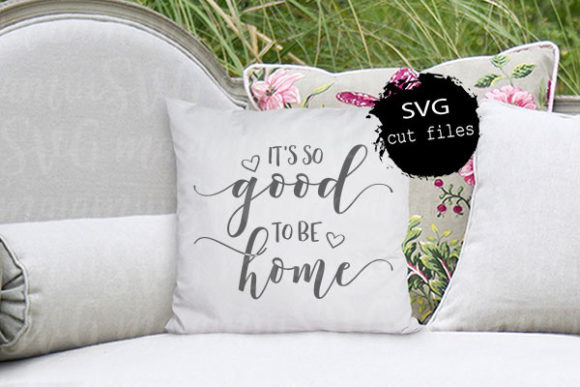
The visual personality of this design is understated yet confident. It does not scream for attention with excessive flourishes or complex illustrative elements. Instead, it relies on typography and spacing to do the heavy lifting. This is crucial for embroidery because overly complex Graphics often turn into a tangled mess of thread breaks and puckering when scaled down. The layout suggests a modern farmhouse or minimalist aesthetic, which is currently dominating the handmade market. When I visualize this as a machine embroidery design, I see potential for clean lines and crisp readability, provided the digitization respects the original vector paths.
Real-World Application: The Tote Bag Test
To truly evaluate It s so Good to Be Home Svg, Home Sign, I imagined a specific client project: a custom canvas tote bag for a real estate agent giving closing gifts to new homeowners. This is a classic scenario where the product needs to feel premium but durable. If I were stitching this onto a heavy cotton canvas, the simplicity of the design would work in my favor. Complex applique design elements might add unnecessary bulk, but a well-digitized text-based design allows the fabric texture to breathe.
I pictured using a standard satin stitch for the smaller details and a balanced fill stitch for any larger graphical elements if they are present in the specific file variation. The key here is legibility. On a textured fabric like canvas, fine details can get lost. This design’s straightforward nature means it would likely hold up well, creating a professional-looking finished product that enhances the brand identity of the giver. It transforms a simple bag into a memorable personalized gift.
Versatility Across Product Lines
Beyond tote bags, where else does this design shine? I see strong potential in sweatshirt embroidery. A crewneck sweatshirt in a neutral tone like oatmeal or sage green, with this phrase stitched across the chest in a contrasting thread color, creates an instant bestseller for an Etsy seller. The comfort associated with the phrase matches the comfort of the garment. However, one must be mindful of the stitch density. Sweatshirts are thick, and if the design is too dense, it can create a stiff, uncomfortable patch on the chest. A lighter density or a strategic use of running stitch outlines can mitigate this.
For baby embroidery, such as on a onesie or a nursery blanket, the scale becomes critical. The phrase "It's So Good To Be Home" is relatively long. Fitting this into a small hoop size, like a 4x4 inch hoop, would require shrinking the text significantly. This risks making the letters too thin to stitch cleanly. In this context, I would recommend using this design on larger items like pillow covers or wall hangings rather than tiny baby clothes, unless the file comes in multiple scaled versions.
Technical Considerations and Pitfalls
While the design is charming, there are areas where caution is necessary. If you are working with stretchy fabrics, such as jersey knits for t-shirts, the stability of the text is paramount. Without a proper stabilizer, the pulling of the thread can distort the letters, making the word "Home" look warped. I always advise testing the design on scrap fabric first. Check how the thread colors interact with the fabric background. High contrast is usually safer for readability, but subtle tonal variations can look sophisticated if the stitching is precise.
Another concern is curved surfaces. Embroidering this on a cap or hat requires careful placement. The curvature of the front panel can distort horizontal text. If you attempt this, ensure you are using a cap frame and possibly adjusting the pull compensation in your digitizing software if you have access to the source file. Since this is sold as an SVG for cutting machines like Cricut or Silhouette, remember that an SVG is not inherently an embroidery file. You will need to convert it or purchase a specifically digitized embroidery file version. Attempting to auto-digitize a complex SVG without manual editing often results in poor stitch quality.
Enhancing Brand Value and Customer Trust
For small shop product creators, the choice of design directly impacts perceived value. A clean, well-executed embroidery job signals professionalism. When a customer receives a custom apparel item with crisp lettering and no loose threads, their trust in your brand increases. This design, with its welcoming message, fosters an emotional connection. It is not just a product; it is a feeling. This emotional resonance can lead to higher engagement on social media and more shares, effectively acting as free marketing for your craft business.
Using this design in commercial embroidery projects requires verifying the license. Always confirm whether the purchase includes commercial use rights for finished physical goods. Many digital sellers allow you to sell the stitched item but prohibit reselling the digital file itself. Clarifying this upfront protects your business and respects the original creator's intellectual property.
Practical Designer Notes for Success
Before you commit to stitching this on a final product, consider these practical steps:
- Test on Scrap Fabric: Always run a test stitch-out on the same type of fabric you intend to use for the final product. This reveals issues with tension and density.
- Check Thread Contrast: Use a printable mockup or physical thread cards to see how your chosen thread colors look against the fabric. Dark threads on dark fabric may vanish, while light threads on white fabric might lack definition.
- Verify Hoop Size: Ensure the design fits comfortably within your machine's hoop, leaving enough margin for the frame to grip the fabric securely.
- Inspect Small Details: Look closely at the corners of the letters. Sharp corners in SVGs can become rounded or messy in embroidery if not properly under-stitched.
- Use Proper Stabilizer: Match your stabilizer to your fabric. Cut-away stabilizer is often best for knits, while tear-away works for woven fabrics like cotton or linen.
- Confirm Licensing: Read the terms of use carefully. Ensure you are compliant with restrictions regarding digital embroidery file redistribution versus selling physical handmade product items.
Final Verdict
It s so Good to Be Home Svg, Home Sign is a versatile asset for the modern maker. Its strength lies in its simplicity and emotional resonance. While it requires careful technical handling—particularly regarding scale and fabric choice—it offers significant potential for creating high-value items. Whether you are creating holiday embroidery gifts, stocking your online store with tote bag design options, or making embroidered patch samples, this design can be a staple in your library. Just remember that the file format matters. An SVG is a starting point for cutters, but for embroidery, you need a properly digitized file to ensure the stitch density and pathing are optimized for the needle. With the right preparation, this design can help you create products that customers not only buy but cherish.