Reviewing the Funny Dog Bandana Shirt SVG Design
As a designer who has spent countless hours hooping fabric, troubleshooting thread breaks, and refining digital assets for real-world production, I approach every new file with a mix of curiosity and skepticism. We have all been there: you download a digital embroidery file that looks crisp on the screen, only to find it turns into a tangled mess of stitches once it hits the machine. Today, I am taking a close look at the Funny Dog Bandana Shirt SVG Design, evaluating it not just as a graphic, but as a functional component in a professional embroidery project.
This design falls squarely into the Crafts and Graphics categories, targeting a massive market of pet lovers. But does it hold up under the needle? Let’s dive into the practicalities of using this asset for client work, small business inventory, and personalized gifts.
First Impressions: Mood and Visual Personality
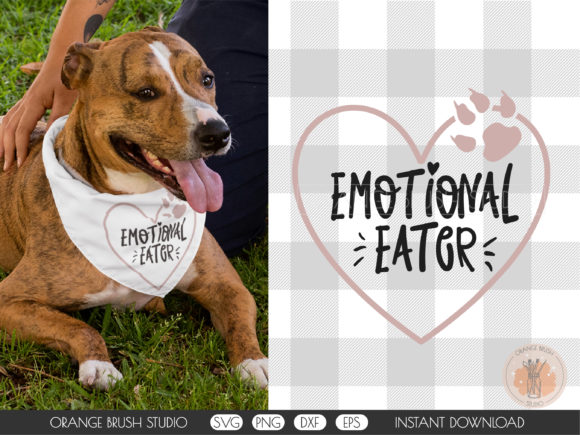
The immediate appeal of the Funny Dog Bandana Shirt SVG Design is its playful tone. It captures that specific niche of pet ownership where humor meets affection. Visually, the layout suggests a balance between bold typography and illustrative elements, which is crucial for readability from a distance. When I first loaded the preview, I noticed the clean lines and distinct shapes. For an embroidery designer, this is promising. Complex, overly detailed graphics often fail in stitching because the machine cannot replicate the nuance of a pixel-perfect image without excessive stitch counts or tiny, fragile details.
The mood here is lighthearted and approachable. It feels right for casual wear and home goods rather than formal or high-end luxury items. This distinction matters because it dictates where you should position the finished product in your shop. It is not a design for a corporate uniform; it is a design for a weekend farmer’s market stall or an Etsy store specializing in quirky pet accessories.
Real-World Application: From Screen to Stitch
To truly test the viability of this design, I imagined a specific scenario: preparing a custom order for a local boutique that sells matching owner-and-pet sets. The client wanted a sweatshirt embroidery piece for the human and a bandana for the dog. This is where the versatility of the Funny Dog Bandana Shirt SVG Design comes into play.
For the sweatshirt, the design needs to withstand the texture of fleece or cotton blend fabrics. The bold nature of the graphic suggests it would perform well here, provided the stitch density is adjusted correctly. If the design relies heavily on a fill stitch for larger areas, it provides good coverage on thicker fabrics. However, if it uses too many satin stitch columns for lettering, you must ensure the column width is sufficient to prevent snagging on the fuzzy surface of a sweatshirt.
For the dog bandana, the stakes are different. Bandanas are often made from lighter cotton or polyester blends. Here, the weight of the embroidery matters. A heavy, dense design can make a lightweight bandana stiff and uncomfortable for the animal. In this case, checking if the file allows for optimization is key. If the design includes large solid blocks, consider whether an applique design approach might be better, though the current format appears to be a standard stitched graphic. The goal is to keep the stitch density moderate so the fabric remains soft and drapable.
Navigating Fabric and Hoop Constraints
One of the most critical aspects of reviewing any machine embroidery design is understanding its limitations. The Funny Dog Bandana Shirt SVG Design likely has a fixed dimensions range. Before committing to a production run, you must confirm the hoop size requirements. If you are working with a 4x4 hoop, will the design fit without scaling down to the point of illegibility? If it requires a 5x7 or 6x10 hoop, does your machine accommodate that?
Fabric choice also dictates success. On dark fabrics, you need to ensure the thread colors chosen provide enough contrast. A common mistake with humorous text-based designs is using low-contrast combinations that look muddy after stitching. I always recommend testing the design on scrap fabric first, specifically using the same material and stabilizer you plan to use for the final item. For stretchy fabrics like t-shirts, a cut-away stabilizer is non-negotiable to prevent distortion. For woven tote bags, a tear-away might suffice, but the density of the design will determine if the fabric puckers.
Be cautious with curved surfaces like caps. If you plan to use this for custom apparel headwear, the design must be digitized with cap-specific underlay stitches to sit flat on the curved panel. If this SVG is intended for flat applications, forcing it onto a cap without proper digitizing adjustments will result in gaps and misalignment.
Commercial Viability and Brand Consistency
For Etsy sellers and craft business owners, the visual appeal of a design directly impacts perceived value. The Funny Dog Bandana Shirt SVG Design offers a ready-made solution for creating high-margin items like personalized gift sets. Because the theme is evergreen—people always love their dogs—it has long-term sales potential beyond seasonal trends.
However, professionalism is key. A sloppy stitch-out damages brand trust. Before listing this as a small shop product, inspect the stitch path. Are there unnecessary jumps? Does the design start and end cleanly? These details affect the speed of production and the quality of the backside of the embroidery, which customers increasingly check. A clean finish suggests a high-quality handmade product, encouraging repeat buyers.
When creating printable mockup images for your online store, ensure the digital representation matches the physical reality. Use high-resolution photos of the actual stitched item on a tote bag design or shirt to build customer confidence. Misleading previews lead to returns and negative reviews.
Practical Designer Notes for Best Results
To get the most out of this design asset, follow these practical steps:
- Test on Scraps: Never run a new design on your final garment first. Use similar fabric scraps to check tension and density.
- Check Licensing: The product description mentions use with cutting machines like Cricut or Silhouette for heat transfer vinyl, but if you are using it for machine embroidery, confirm the license terms. Ensure you have commercial rights if you plan to sell the finished product.
- Contrast Check: View the design in black and white to ensure the shapes are distinct. If elements blend together in monochrome, they may lack definition in stitching.
- Stabilizer Selection: Match your stabilizer to the fabric. Heavy designs on light fabric require robust support to prevent puckering.
- Thread Quality: Use high-quality rayon or polyester threads to reduce breaks and enhance sheen, especially for the satins stitch elements.
Final Verdict
The Funny Dog Bandana Shirt SVG Design is a strong contender for pet-focused collections. Its strength lies in its clear, humorous messaging and versatile application across various custom apparel and home goods. While it requires careful attention to fabric compatibility and hoop sizing, it offers a solid foundation for creating engaging, sellable items. For the embroidery designer willing to do the necessary test runs and adjustments, this design can become a reliable staple in a diverse product lineup.
Remember, the difference between a good design and a great product is in the execution. Take the time to refine your setup, respect the materials, and let the personality of the design shine through in every stitch.