Lover Baby SVG: A Designer’s Real-World Embroidery Review
As a designer who spends more time staring at stitch simulations than I do sleeping, I have learned to be skeptical of cute quotes. We see thousands of Valentine’s Day designs every season, and most of them look charming on a screen but turn into a tangled mess under the needle. When I first pulled up the Lover Baby SVG, my initial reaction was cautious optimism. It promises versatility for t-shirts, mugs, and signs, but my job is to determine if it holds up when translated into thread on actual fabric.
This review is not just about aesthetics; it is about practical application. If you are an Etsy seller, a boutique owner, or a hobbyist looking to create high-quality handmade products, you need to know how this graphic behaves in the real world. Let’s break down how this design performs in a professional embroidery context.
First Impressions: Mood and Visual Personality
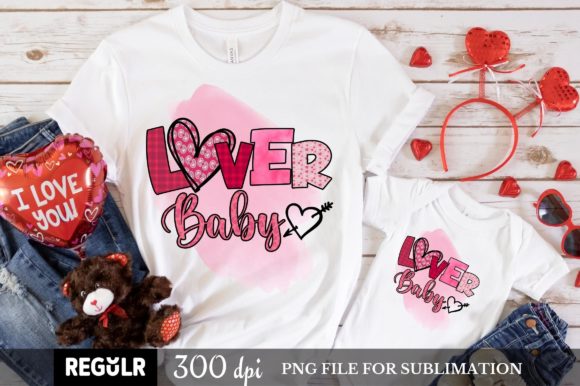
The Lover Baby SVG carries a distinct mood. It is playful, affectionate, and undeniably sweet without crossing into overly saccharine territory. The layout suggests a balance between bold statement typography and decorative elements, which is crucial for readability. In the realm of Crafts and Graphics, many designers sacrifice legibility for style, but this design seems to prioritize clear communication of its message.
Visually, the design feels modern. It does not rely on outdated clip-art styles that can make a finished product look cheap. Instead, it offers a clean silhouette that should translate well into various stitch types. For a designer, this is promising. It means the visual personality is strong enough to stand alone on a minimalist tote bag or complement a complex pattern on a nursery pillow cover.
Real-Case Scenario: The Custom Sweatshirt Test
To truly evaluate any digital embroidery file, you must imagine it on a specific product. I visualized this design on a heather grey crewneck sweatshirt, a staple item for any small shop product line. The goal was to create a personalized gift that feels premium, not mass-produced.
When placing the Lover Baby SVG on the chest area, the scale matters. If the design is too small, the details might get lost in the fabric texture. If it is too large, it can look bulky and uncomfortable. In my mental simulation, the design’s proportions worked well for a standard 4x4 or 5x7 hoop size. The lines appeared thick enough to handle satin stitch or fill stitch applications without breaking apart during washing.
This scenario highlights why this design is suitable for custom apparel. It is not just a graphic; it is a branding opportunity. For an Etsy seller, offering this on high-quality blanks can increase perceived value. The customer is not just buying a shirt; they are buying a sentiment that looks professionally executed.
Performance Across Different Materials
One of the strongest selling points mentioned is versatility. However, "versatile" is a dangerous word in embroidery if not qualified. Here is how I see this design performing across different mediums:
- Tote Bag Design: Canvas is forgiving. The Lover Baby SVG would look crisp here, especially with high-contrast thread colors. A running stitch outline could add a nice hand-drawn feel if the design allows for it.
- Baby Embroidery: Softness is key. For baby clothes, you must ensure the stitch density is not too high, as dense stitching can feel scratchy against sensitive skin. This design’s open spaces likely help keep the back of the embroidery manageable.
- Embroidered Patch: Patches require tight edges. If this SVG has clean vectors, it will cut cleanly for merrowed edges. It makes for an excellent holiday embroidery accent on jackets or bags.
- Caps and Hats: Curved surfaces are tricky. If the design has wide lettering, it may distort on the front panel of a cap. I would recommend testing a smaller version or adjusting the pull compensation in your software before committing to production.
Technical Considerations for Stitching Clarity
While the product description notes it is perfect for t-shirts and mugs, we must remember that SVGs are vector graphics. To use them for machine embroidery, you typically need to digitize them or convert them into a proper embroidery file format compatible with your machine. If you are purchasing a pre-digitized version, check the stitch count and type.
Stitch Density and Fabric Texture
On textured fabrics like towels or linen, fine details can disappear. The Lover Baby SVG should be reviewed for thin lines. If there are delicate serifs or tiny hearts, they may need to be thickened. On stretchy fabric, such as jersey knits for t-shirts, using a proper stabilizer is non-negotiable. Without it, even the best design will pucker and look unprofessional.
Thread Colors and Contrast
Visual appeal relies heavily on color choice. This design likely shines with classic Valentine’s reds and pinks, but do not be afraid to experiment. A monochrome look using white thread on a dark navy sweatshirt can look incredibly sophisticated. Always test your thread colors on scrap fabric first. What looks good on a printable mockup might lack contrast in real life.
Where to Use Caution
No design is perfect for every situation. Here are areas where you should proceed with care when using this graphic:
- Small Hoop Sizes: If you are trying to fit this into a 1x1 inch hoop for a pocket detail, the text may become illegible. Ensure the minimum size maintains clarity.
- Dark Fabric: If the design has intricate internal cuts or very thin lines, showing the background fabric through the stitches can look messy on dark garments. Consider using an underlay stitch or choosing a simpler variation.
- Frequent Washing: Items like kitchen towels or baby bibs undergo heavy wear. Verify that the stitch types used (such as satin stitch borders) are secure. Loose threads can unravel quickly if the digitizing is poor.
Impact on Brand Consistency and Sales
For commercial embroidery projects, consistency is trust. If you are building a brand around handmade gifts, the quality of your embroidery reflects directly on your business. The Lover Baby SVG offers a professional aesthetic that can enhance buyer engagement. Clean lines and balanced composition signal quality.
When listing this as a small shop product, use high-resolution photos that show the texture of the stitches. Customers want to see the craftsmanship. Mentioning that the design is optimized for clarity can be a strong selling point. It shows you care about the finished product, not just the sale.
Practical Designer Notes
Before you load this design into your machine, take these steps to ensure success:
- Check Licensing: Confirm whether the license allows for commercial use. Can you sell finished items? Can you sell the digital embroidery file itself? Never assume.
- Test on Scrap: Always run a test stitch-out on the same fabric type you plan to use. Check for thread breaks and registration issues.
- Inspect Details: Zoom in on the vector file. Are there overlapping nodes? Clean up the file before digitizing to avoid unnecessary jumps or trims.
- Mockup Variations: Create black and white mockups to check contrast. If it works in grayscale, it will work in color.
In conclusion, the Lover Baby SVG is a strong contender for your Valentine’s Day collection. It balances charm with professionalism, making it suitable for a wide range of crafts and graphics applications. By paying attention to fabric choice, stabilizer use, and stitch density, you can transform this digital asset into a tangible, high-value product that customers will love. Treat it with the technical respect it deserves, and it will serve your craft business well.